

The Future of Carbon Credits: Empowering Zimbabwe’s Youth
In the heart of Zimbabwe’s climate narrative, a transformative opportunity unfolded during a recent virtual discussion hosted by Women’s Institute for Leadership Development (WILD). The session featured Mr. Anglistone Sibanda, the CEO and Founder of Africa Carbon Market Forum, who illuminated the potential for Zimbabwe to engage in international carbon trading under Article 6.2 of the Paris Agreement. This innovative approach could empower the nation to quantify its conservation efforts, generate carbon credits, and sell them on the global market.
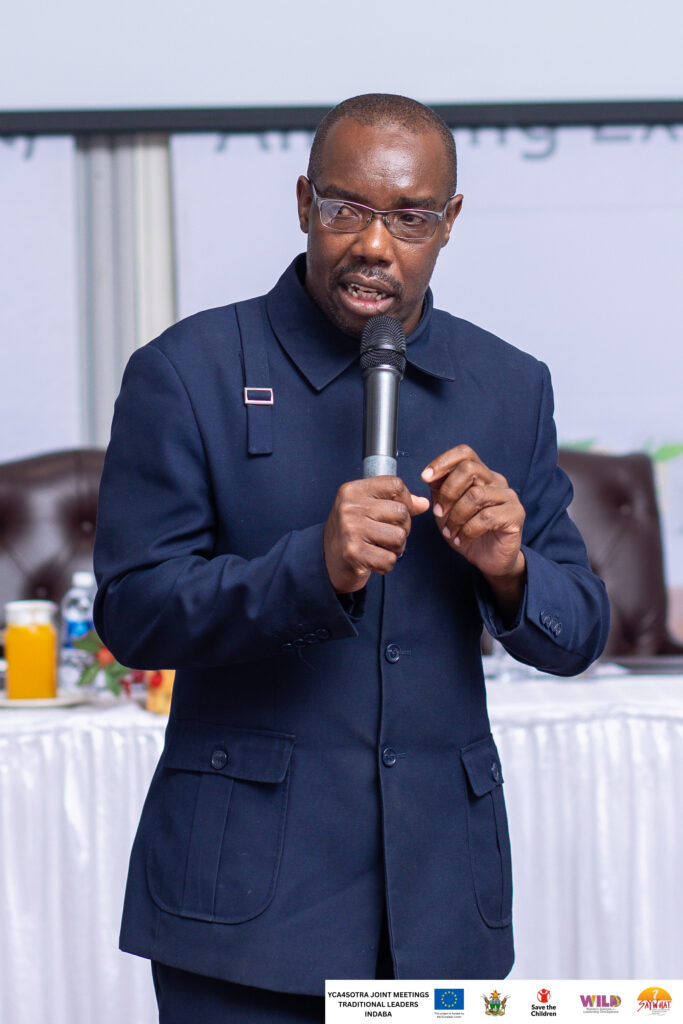
Held on September 2nd, the discussion brought together a diverse group of passionate young individuals eager to delve into the intricacies of carbon credits and explore how they could actively participate in this emerging field. Mr. Sibanda’s insights were both historical and practical, tracing the evolution of carbon credits in Zimbabwe while addressing the new regulatory frameworks like S.I. 48 of 2025.
He underscored the importance of understanding past initiatives, particularly the “Follow the Money” project, which aimed to ensure that proceeds from carbon credit projects genuinely benefited local communities. This initiative gained traction following controversies around a project in Kariba, where allegations surfaced that local communities failed to reap the promised benefits from carbon trading.
Throughout the discussion, Mr. Sibanda explained that the complexities surrounding carbon trading had prompted the government to implement oversight measures, resulting in a temporary moratorium on carbon trading until new regulations could be established. With the introduction of S.I. 50 of 2023, project registration became mandatory, though challenges persisted in navigating the regulatory landscape. Assuring participants, Mr. Sibanda noted that the latest regulations were crafted in accessible language, facilitating comprehension for aspiring young entrepreneurs eager to develop carbon credit projects.
Encouraging active participation, Mr. Sibanda invited the youth to engage in forthcoming training sessions focused on project development. These sessions would cover the step-by-step process of identifying and structuring a carbon credit project, alongside strategies for securing funding. Recognizing the financial barriers that often hinder young innovators especially those from rural areas like Beitbridge or Muzarabani he emphasized the importance of creativity and resourcefulness in overcoming these obstacles.
“Carbon credits are not solely about trees,” said Mr Sibanda. “There are over 170 strategies for generating credits, including initiatives that reduce emissions and enhance biodiversity.” He elaborated on the concept of Internationally Transferable Mitigation Outcomes, where Zimbabwe could quantify the carbon sequestered by its forests and leverage this data to create impactful projects that resonate on both local and global scales.
Mr. Sibanda also shared inspiring success stories from urban areas like Bulawayo and Victoria Falls, where young people are already making significant strides in environmental sustainability. These projects not only contribute to carbon credit generation but also foster community engagement and economic growth. He urged the participants to envision their own projects, emphasizing that the potential for innovation is vast and that collaboration is key.
As the discussion drew to a close, a palpable sense of excitement filled the virtual space. The participants recognized that they were not passive observers in the fight against climate change; they were active architects of their country’s environmental future. Mr. Sibanda left them with a powerful call to action: “Your ideas matter. Whether it’s a small project in your community or a larger initiative that scales, every effort counts. Collaborate, share your knowledge, and support one another. Together, we can transform Zimbabwe into a leader in the carbon credit market.”
With renewed enthusiasm and a clear vision, the youth understood that they could harness carbon credits not only as a means of environmental conservation but also as a pathway to economic empowerment. As they exited the virtual discussion, a sense of possibility lingered—an understanding that they could shape their futures and their country’s environmental landscape, one carbon credit at a time. The session had catalyzed a movement, igniting a spirit of innovation and resilience among Zimbabwe’s youth, poised to tackle the pressing challenges of climate change with creativity and determination.