

Zimbabwe, once celebrated as the breadbasket of the SADC region, has seen its food security landscape shift dramatically. Today, the basket is empty, and it is time to refill it.
Compiled by Thubelihle Rosyln Ndhlovu
(Green Skills Boot Camp Participant and Bulawayo Sounding Board Member)
In 2024, Zimbabwe declared a state of emergency due to a severe El Niño-induced drought, placing 7.1 million people at risk of food insecurity by April. By December 2024, this figure had escalated to 7.6 million people in urgent need of food assistance. The crisis, driven by climate extremes, economic collapse, and soil degradation, has revealed the fragility of our current food system.
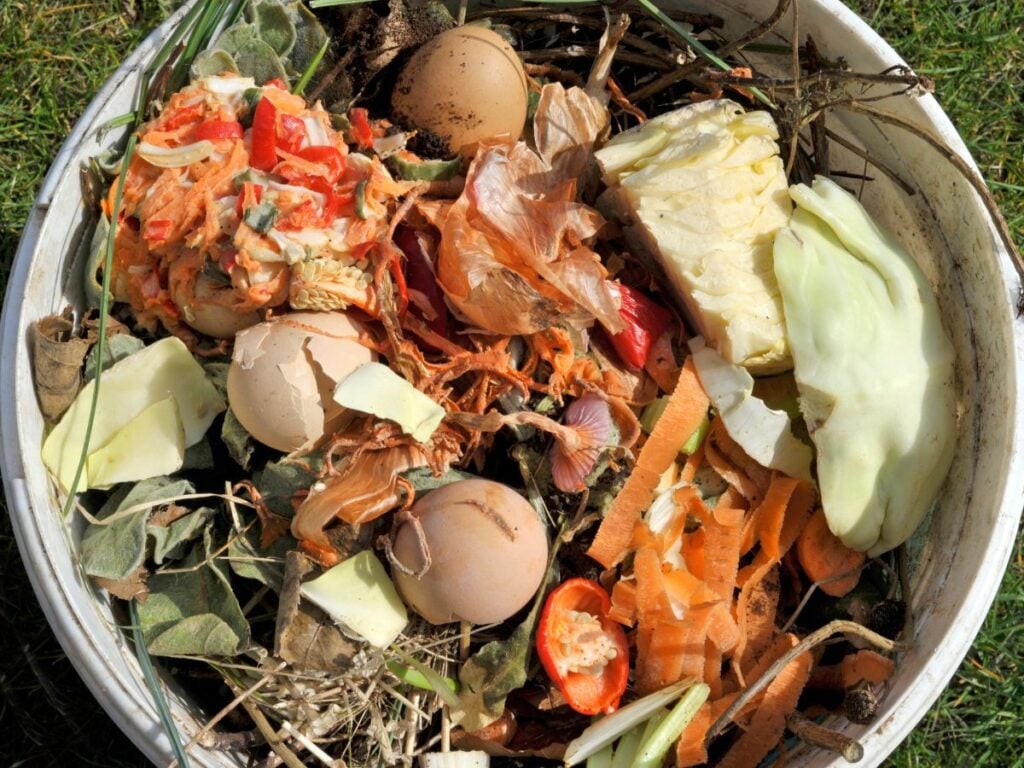
Image Source: Internet
Climate change is intensifying Zimbabwe’s agricultural challenges. The country has experienced a 20% decline in rainfall over the past three decades, while extreme weather events such as droughts and cyclones are increasing in frequency.
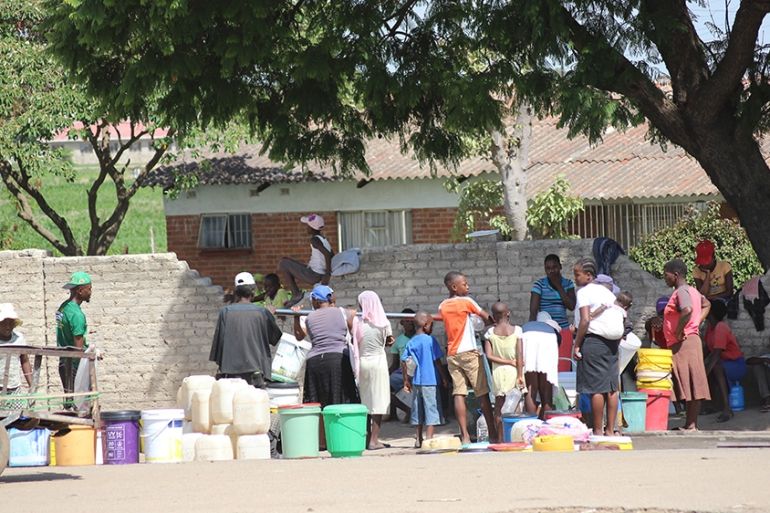
Image Source: Internet
According to the FAO, agriculture in sub-Saharan Africa loses an estimated $670 million annually due to land degradation and unsustainable farming practices. Zimbabwe, where nearly 70% of the population relies on agriculture for livelihoods, is no exception.
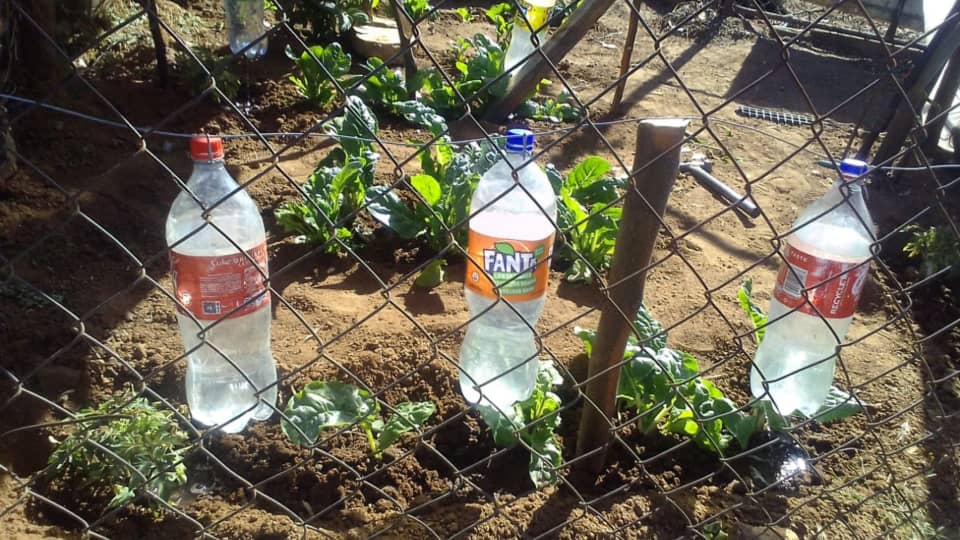
Image Source: Internet
Bulawayo, one of the country’s largest cities, illustrates the depth of this crisis. The collapsing economy has pushed food prices beyond the reach of ordinary residents, while water scarcity has worsened. In 2023, the city reported average dam levels at less than 40% capacity, triggering water rationing that disrupted both household and agricultural use.
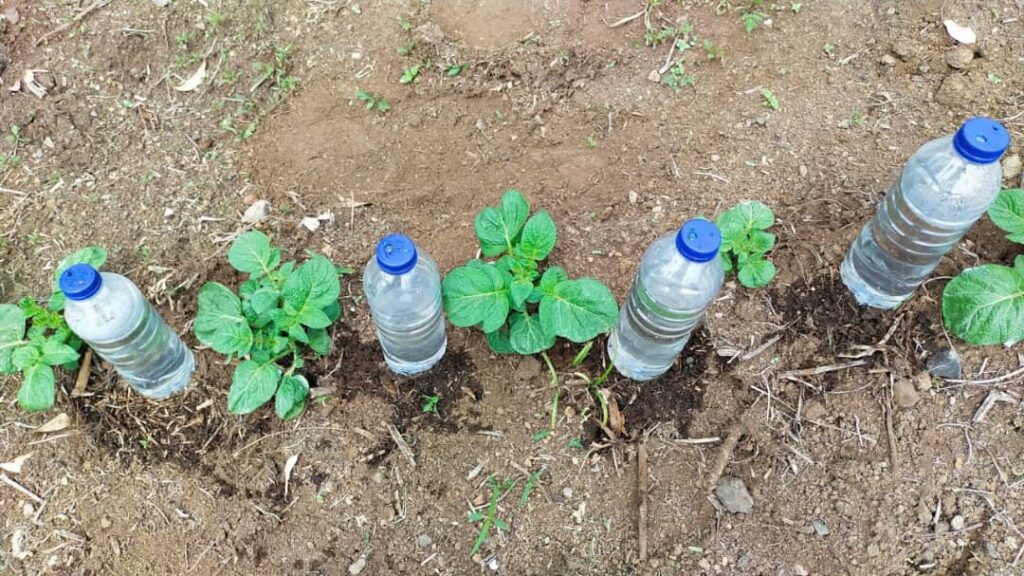
Image Source: Internet
In this dire context, Agroecology offers a beacon of hope. Unlike industrial agriculture, which depletes soils and relies heavily on chemical inputs, agroecology works with nature by restoring ecological balance.
Agroecological Solutions for Urban and Rural Zimbabwe
- Water-smart farming: Techniques such as drip irrigation using repurposed bottles and mulching can cut water use by up to 30%, while raised beds and container gardening ensure higher yields from limited space.
- Soil restoration: Practices like Bokashi composting and manure application improve soil fertility naturally. Research shows that soils enriched through organic methods retain 20–40% more water than chemically treated soils.
- Urban resilience: For tenants in cities, tower gardens and hydroponics provide mobility and adaptability. These systems can yield vegetables three times faster than conventional gardens, ensuring year-round access to fresh produce.
- Biodiversity and nutrition: Agroecology emphasizes indigenous crops such as sorghum, millet, and cowpeas varieties that are more drought-tolerant and nutrient-rich compared to maize.
Beyond Food Security: Environmental and Social Benefits
Agroecology reduces dependence on industrial farming and long-distance food imports, cutting carbon emissions from transport. It enhances biodiversity, supports pollinators, and combats land degradation, which currently affects 61% of Zimbabwe’s land area. Importantly, it promotes foodsovereignty, empowering households to reclaim control over what they grow and eat.
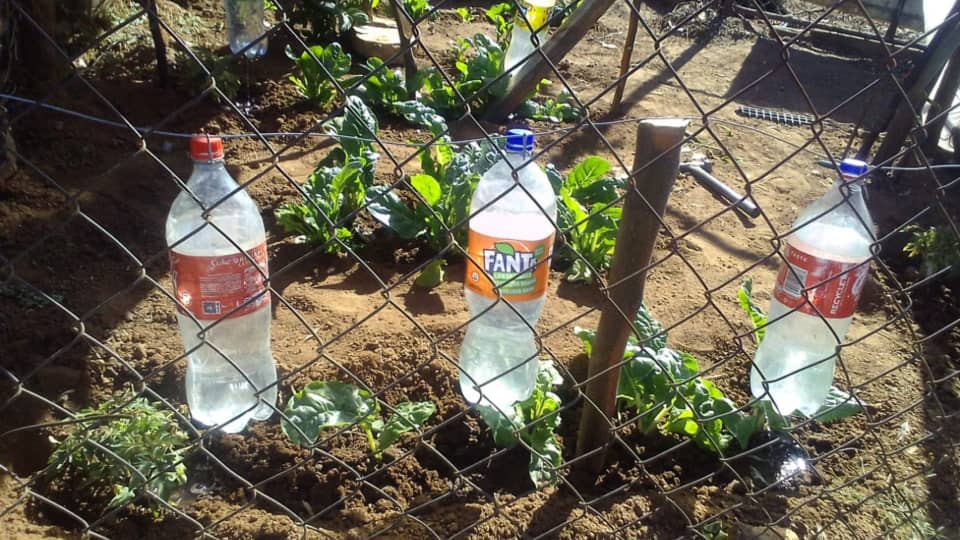
Image Source: Internet
Moreover, the global momentum is on our side. The UN FAO recognizes agroecology as a key pathway to achieve at least 12 of the 17 Sustainable Development Goals (SDGs), from zero hunger to climate action. Initiatives like #MyFoodIsAfrican, #MyFoodIsZimbabwean, and #GrowYourOwnFood resonate with this vision, linking culture, climate, and cuisine.
As Zimbabwe faces one of its most severe food crises in decades, agroecology emerges not merely as an alternative, but as a necessity. By embedding sustainability, resilience, and cultural pride in our farming systems, we can refill the basket—one household at a time. Agroecology ensures not just survival, but a pathway to dignity, sovereignty, and environmental stewardship.
It is time to reclaim our food basket. Not from donors, but from the soil beneath our feet.