
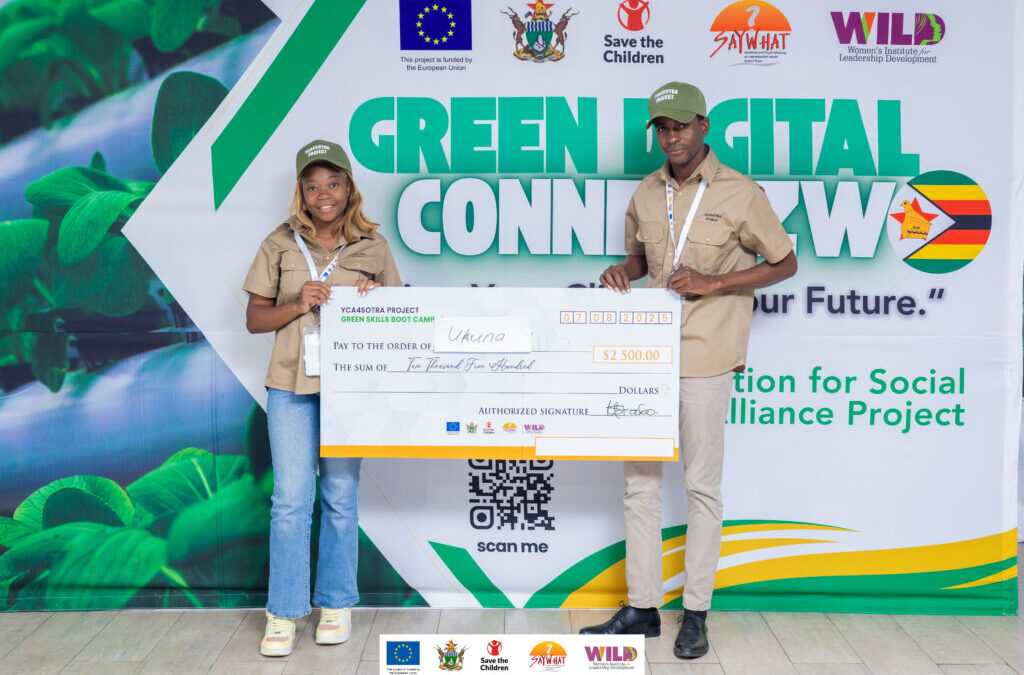
Bulawayo, Zimbabwe — In a significant boost for sustainability and community empowerment, five initiatives have successfully secured a USD $2,500 seed grant from the Green Innovative Ideas Initiative. Out of thirteen semi-finalists, these projects, operating in Bulawayo, Binga, and Beitbridge, aim to catalyze community-based, climate-resilient ventures that are both environmentally sustainable and economically empowering.
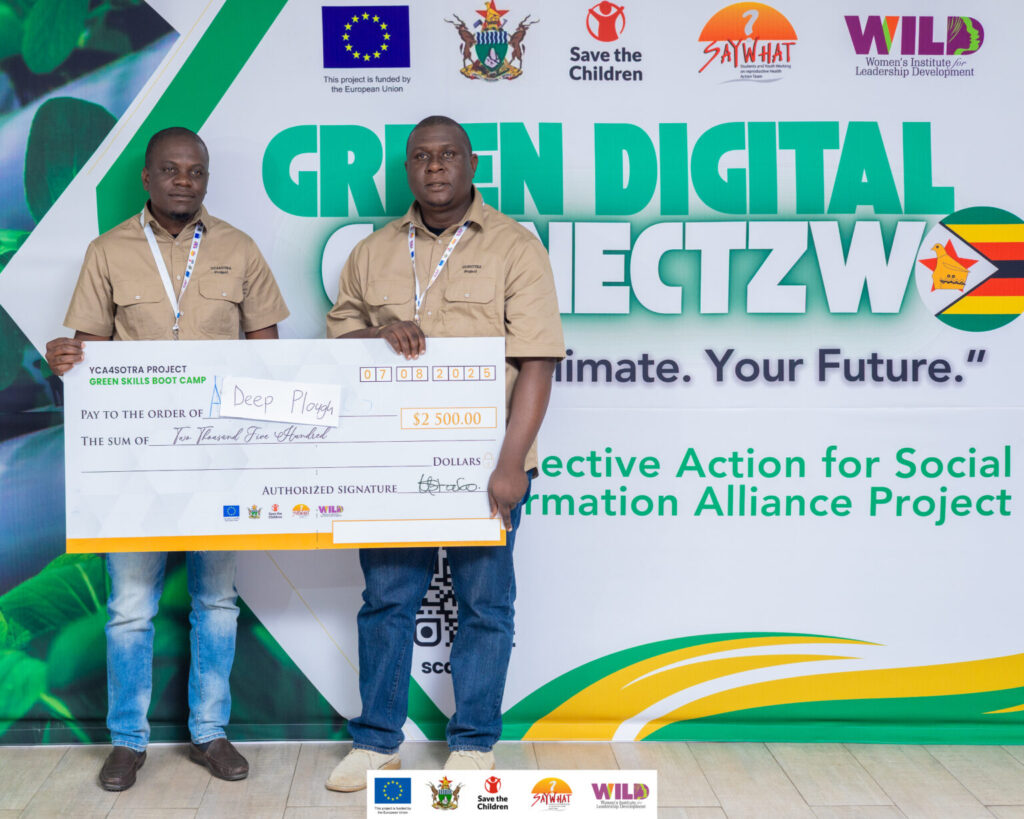
The Green Innovative Ideas Initiative targets green enterprises focused on alleviating poverty among young people, particularly emphasizing the creation of sustainable livelihoods and job opportunities for young women. By providing funding and resources, the initiative seeks to inspire a new generation of eco-conscious leaders equipped to tackle pressing environmental and socio-economic challenges. This commitment is crucial in a region where unemployment and economic instability have historically impacted youth, particularly women, who often face additional barriers to economic participation.
The five projects awarded funding include the Deep Plough Mushroom Project, led by Muziwanele Ncube and Solicitor Gashu.
This innovative project aims to cultivate mushrooms using vertical farming techniques, which require minimal space and resources. By providing nutritious food and creating job opportunities for local youth, it seeks to address food insecurity while empowering young women to take active roles in agriculture.
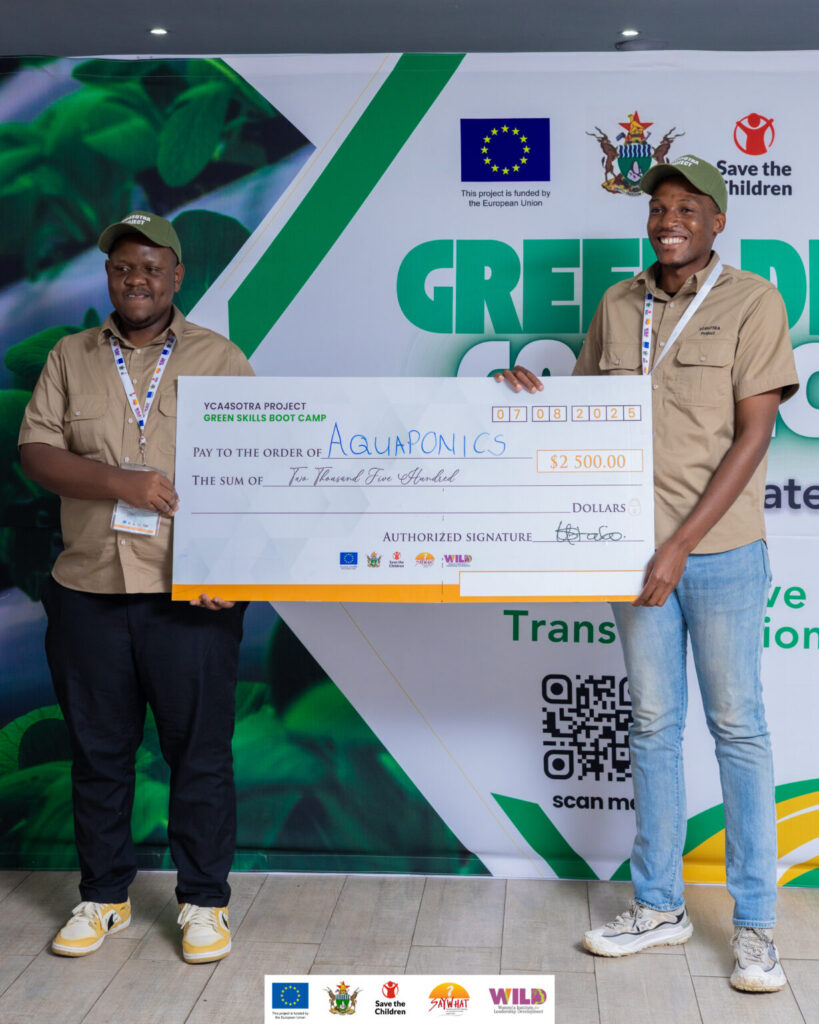
Another project is the Sustainable Aquaponics Project, spearheaded by Takunda Pamire and Nkosilathi Munyuru.
This initiative combines fish farming with hydroponics to create a self-sustaining ecosystem. Not only does it ensure food security, but it also serves as an educational tool for the community, teaching sustainable agricultural practices that can be replicated in other regions.
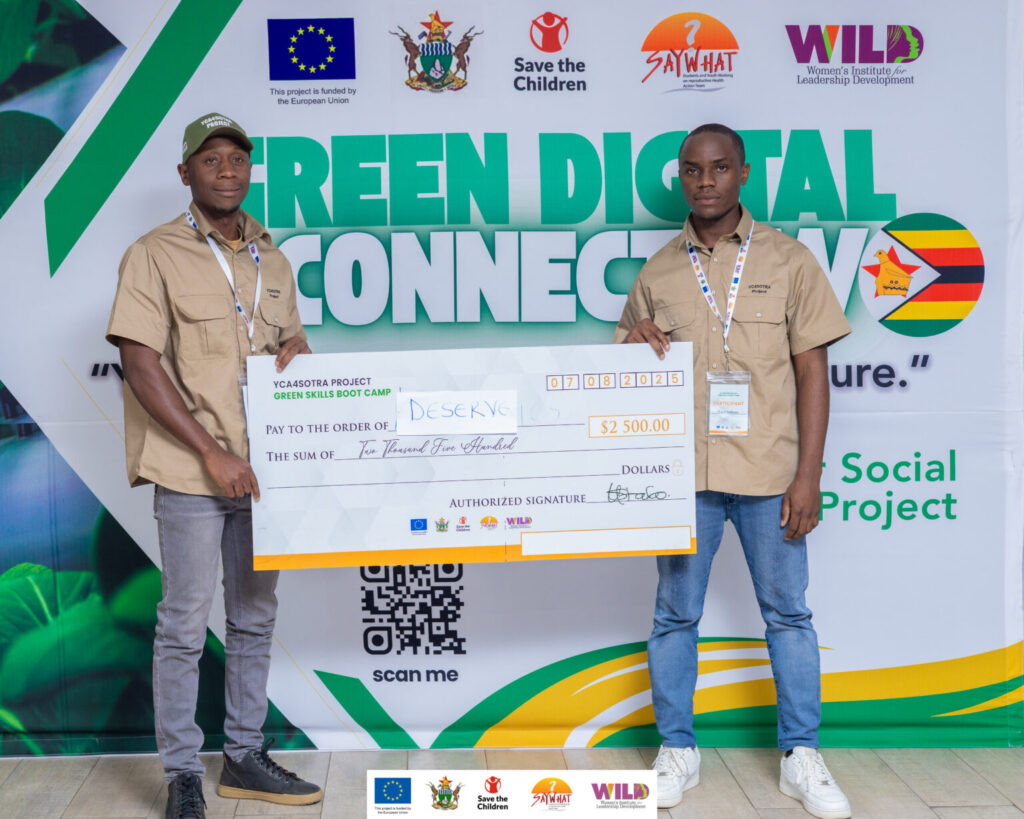
The Goat Farming for Economic Empowerment project, led by Dexter Chizunza and Cecil Ndlovu, focuses on empowering young people through goat farming, offering training and resources to develop a cooperative.
By enhancing economic independence, it aims to uplift young women in particular, fostering a sense of community and shared success.
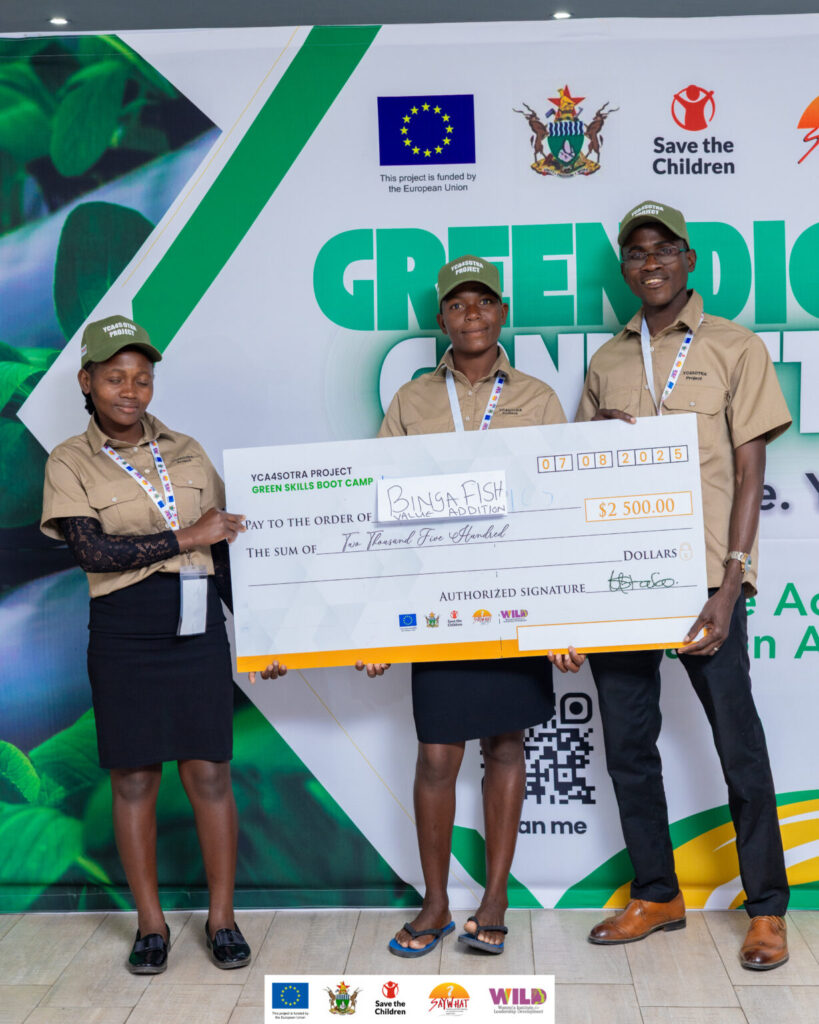
In Binga, the Value Addition of Fish project, led by Image Siabula and Nicol F. Mudimba, operates from the Simatelele fishing camp and aims to improve the marketability of local fish through sustainable processing methods.
By ensuring stable incomes for fishermen, it addresses both economic and environmental challenges in the area.
Lastly, the Empowering Beitbridge Youth initiative, organized by Ukuna Environmental Association, focuses on turning plastic waste into building materials.
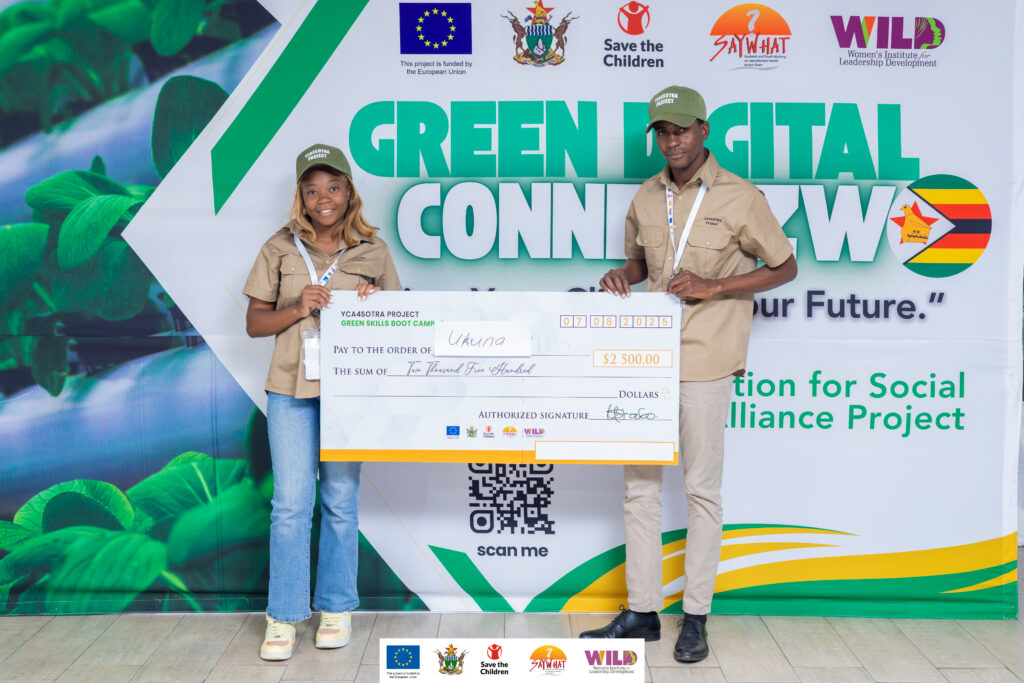
This transformative project addresses critical issues of pollution and housing shortages while creating jobs and promoting environmental responsibility.
The initiative is part of the Youth Collective Action for Social Transformation (YCA4SOTRA Project), funded by the European Union, which emphasizes the commitment to empowering youth and promoting sustainable development. This funding not only provides financial support but also reflects a broader commitment to social equity and environmental stewardship.
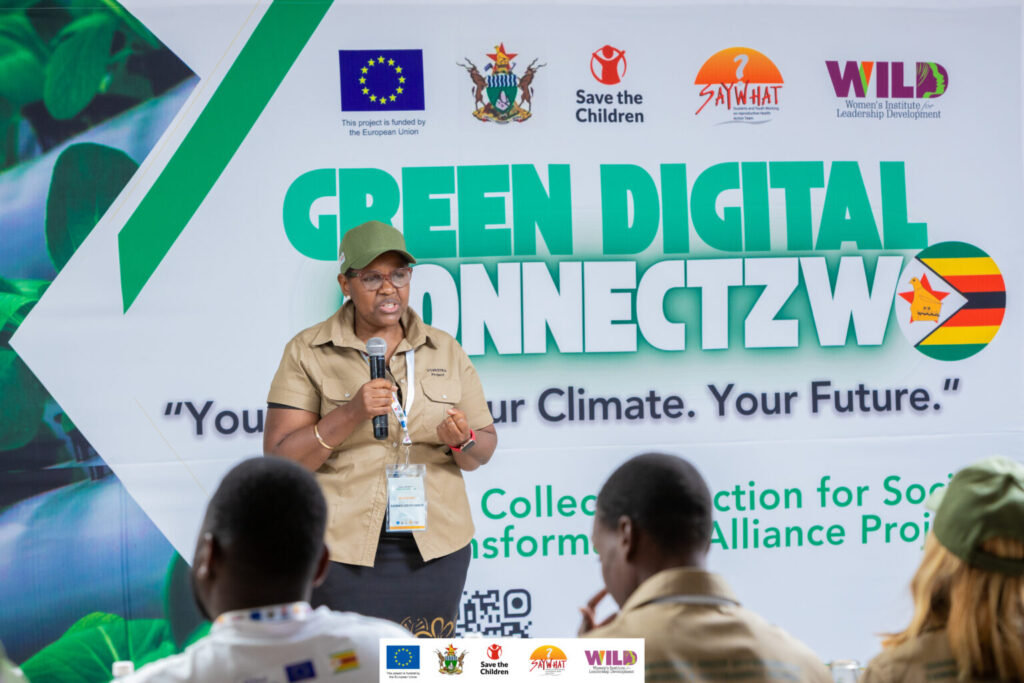
“We extend our heartfelt congratulations to the selected green entrepreneurs Makorokoto, Amhlophe! Your efforts are vital in shaping a brighter, greener future,” said WILD Executive Director, Samukeliso Khumalo.
The recognition of these entrepreneurs highlights the importance of grassroots innovation in addressing local challenges and the role of community-driven solutions in fostering long-term change.
With these projects, the Green Innovative Ideas Initiative aims to foster a culture of sustainability and resilience that benefits whole communities, paving the way for a more sustainable future in Zimbabwe. As these initiatives take root, they are expected to create a ripple effect, inspiring other young people to engage in environmentally responsible practices and entrepreneurial endeavors.
The enthusiasm surrounding the initiative is palpable. Community members are eager to support these projects, and many are already looking into how they can participate or replicate these models in their own neighborhoods. The initiative not only empowers individual entrepreneurs but also strengthens community ties, fostering collaboration and shared learning.